Skin Photos Before a Seoul Consultation: Clarity and Privacy
Prepare useful skin photographs for a Seoul consultation or follow-up. Check lighting, focus, filters, dates and the intended sharing channel, without treating a selfie as a diagnosis.
Ask what the photographs are for
If your November Seoul plans include a consultation or follow-up, photographs can help explain the area and changes that concern you. A selfie alone cannot establish a procedure, energy setting, dose or recovery timetable. Ask whether the clinic needs images, which areas are relevant and when an in-person examination is still necessary.
Prepare a short timeline, recent procedure details and the products you use as well. Do not delay necessary medical care to obtain a perfect picture. An image is communication material, not an indication for treatment.
Keep the setting straightforward
Use lighting that shows skin colour and texture clearly, without prominent shadows, glare or strong backlighting. Choose an uncluttered background. Check the area of interest in the finished image for sharp detail, rather than judging whether the whole photograph is flattering.
For records on different days, aim for similar lighting, background, angle and distance. Consistency can help a clinician interpret changes, but does not itself prove effectiveness. Follow any specific instructions from the clinic instead of treating an online flash setting or camera distance as universal.
Disable beautification and keep the original
Turn off smoothing, face reshaping, filters and automatic enhancement. Do not retouch the texture, redness or marks you want assessed. Whether to remove makeup and how to cleanse depends on your skin and the clinician's instructions; do not rub a recently treated area or remove a dressing just to photograph it.
Keep a clear original and its date, not only a compressed social-media screenshot. Disclose makeup, filtering or a change in lighting or other conditions. Images made under different conditions are not directly comparable proof of a treatment result.
Show the location as well as the detail
Depending on what the clinician asks for, prepare a wider view showing the location and a closer view of the concern. Avoid getting so close that focus is lost. With your permission, a trusted person can help with hard-to-reach areas; keep bystanders and unrelated information out of the frame.
Note the date, side, recent procedures and symptoms so that different areas or times are not confused. Do not deliberately change expression, makeup or lighting to exaggerate a before-and-after difference, or diagnose a skin lesion from a photograph yourself.
Agree the purpose and channel before sharing
Use the current appointment contacts to ask whether images are needed, who will receive them and how to send them. Clarify the difference between use for care and public display. Do not post identifiable medical images, passport details or medical history in public comments, or assume ordinary messaging is a dedicated clinical system.
If additional photographs are requested, clarify why and what is necessary rather than adding unrelated sensitive areas. Ask before taking pictures or recording inside a clinic, and avoid other patients and staff. This guide does not promise any institution's retention period, security arrangements or consent procedures.
FAQ: Are more pictures always better?
No. Follow the team's request for a small, relevant set that shows location and clear detail, with dates and context. Repetitive or blurred images cannot replace a symptom history. Ask the clinician about the number and frequency needed.
FAQ: Will I look like someone else's before-and-after result?
A photograph cannot guarantee that. Lighting, timing, starting condition and the treatment may differ. Discuss your own goals, risks, alternatives and follow-up with the clinician rather than using a case image as a personal prediction.
FAQ: Can photographs replace my review appointment?
Not as a general rule. Images and messages have limitations, and necessary examinations still matter. The clinician decides whether review or further images are appropriate. Do not wait for a routine booking reply or take more photographs instead of seeking care for severe or rapidly worsening symptoms.
Before your visit
Bring your questions, dated originals, recent treatment and medication records, and return-travel plans. Confirm booking and available language support with Gold J. The clinic is on the 8th floor of Daechi Building, 408 Teheran-ro, Gangnam, Seoul; current WeChat and LINE options are below.
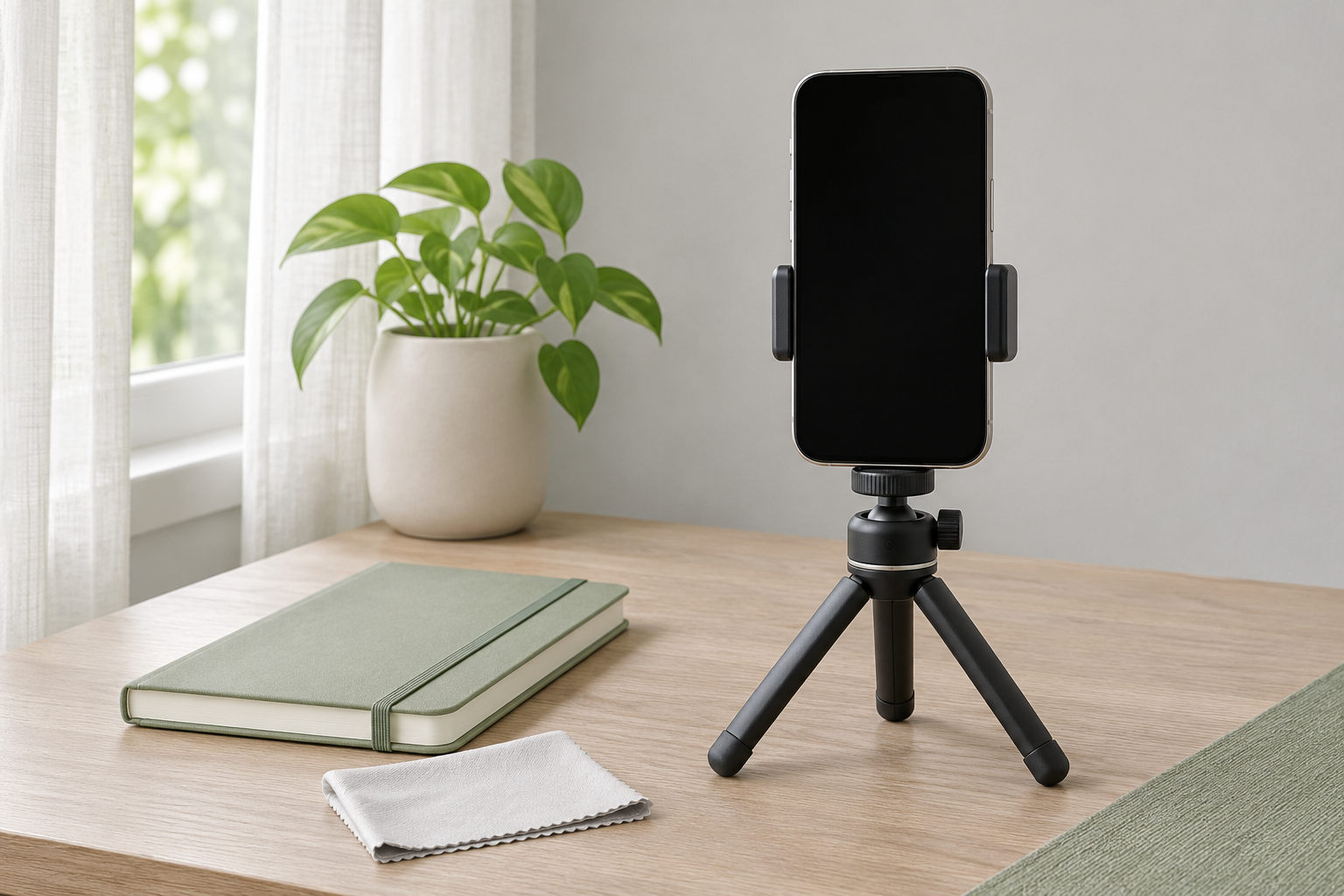
The cover is an AI-generated photo-preparation illustration, not a patient, a before-and-after comparison or an actual clinic photograph. This is general preparation guidance, not confirmation that the clinic offers remote diagnosis. Individual medical decisions require clinical assessment.
Sources
- AAD: photographs for your dermatologist
- Leeds Teaching Hospitals: photographing skin concerns
- Gloucestershire Hospitals: clear skin photographs
- Cambridge University Hospitals: preparing for a dermatology telephone appointment
Visit and contact Gold J Clinic
408 Teheran-ro, Daechi Building, 8th floor, Gangnam-gu, Seoul. Seolleung Station, Exit 1.
Weekdays 10:00–19:30; Saturday 10:30–16:00; lunch 13:00–14:00. Confirm holiday hours before visiting.
LINE · WeChat